Frosty mornings, dark commutes and spells of rain, ice and snow all ask more of your car. Cold weather drains batteries, stiffens tyres and thickens oil, while gritted, slippery roads leave less room for error. A few simple checks now can be the difference between a winter car that starts first time and one that leaves you stranded on the hard shoulder.
This guide covers everything you need for car preparation for winter: the essential maintenance checks, what to keep in a winter car kit, the accessories worth buying, how to drive safely in cold weather and which cars cope best when the temperature drops.
Why Is Winter Car Preparation Important?
Winter is the busiest time of year for breakdown services. Cold slows the chemical reaction inside a car battery just as you ask more of it, with heaters, lights, heated screens and wipers all running at once. The RAC says battery issues are its number one cause of call-outs, and breakdowns rise sharply when temperatures fall.
It is not just batteries. Tyres lose grip as the rubber hardens, coolant can freeze if the mixture is wrong, and worn wipers or dirty lights make it harder to see and be seen on dark, wet roads. Any small fault you have been putting off is more likely to become a big one in the cold.
Preventative maintenance is usually far cheaper than an emergency repair or recovery. Spending half an hour on the checks below, or booking a winter service, helps you avoid unexpected bills and the stress of a breakdown in freezing conditions.
10 Essential Winter Car Maintenance Checks
Good winter car maintenance comes down to ten checks. Most take minutes and need nothing more than your handbook, a tread depth gauge and a torch.
1. Check Your Car Battery
Cold weather makes a battery work harder and deliver less. Warning signs include the engine turning over slowly, dim headlights at start-up or a battery warning light on the dashboard. The RAC advises that a battery over four years old may be nearing the end of its life, so have an older battery and charging system tested before the first hard frost. Electric cars still rely on a 12-volt battery, so they need the same attention.
2. Check Your Tyres
Tyres are the only part of your car touching the road, so their condition matters more than ever in winter. The legal minimum tread depth in the UK is 1.6mm across the central three-quarters of the tyre, but the RAC recommends at least 3mm in winter for better grip. Driving on illegal tyres can mean a fine of up to £2,500 and three penalty points per tyre.
Check pressures when the tyres are cold, using the figures in your handbook or on the door pillar, and look for cuts, cracks and bulges. If you drive regularly in rural, hilly or northern areas, consider winter tyres for your car. They work best below 7°C, giving more grip for braking and cornering even when there is no snow.
3. Top Up Antifreeze and Coolant
Antifreeze stops the coolant in your engine from freezing, which could otherwise crack the engine block or radiator. Check the level against the markings on the expansion tank when the engine is cold, and never open the cap on a hot engine. Use the coolant type your manufacturer specifies, as mixing incompatible types can cause sludge and corrosion. A garage can test the strength of the mixture quickly and cheaply.
4. Replace or Check Your Windscreen Wipers
Winter car wiper blades take a beating from ice, grit and road salt. If your wipers streak, smear, judder or leave unwiped patches, replace them. Check the rubber for splits and never use wipers to clear ice, as frozen blades can tear and strain the wiper motor.
5. Use Winter Screenwash
Plain water and summer screenwash can freeze in the reservoir and on the glass. Choose a winter screenwash that works to at least -15°C and top it up often, as salty spray from other vehicles empties the tank quickly.
6. Check Your Lights
With shorter days, you will drive in the dark more often. Walk around the car and check headlights, dipped and main beam, brake lights, indicators, reverse lights and fog lights. Ask someone to help with the brake lights, or reverse up to a window to check the reflection. Clean lenses regularly, as road grime cuts light output.
7. Inspect Your Brakes
Reliable brakes are vital on wet and icy roads, where stopping distances are already longer. Have them checked if you hear squealing or grinding, feel vibration through the pedal, notice the car pulling to one side or find the pedal feels soft or spongy.
8. Check Your Oil and Other Fluids
RAC patrols find that one in three vehicles they attend is dangerously low on oil. Check the dipstick with the car on level ground and keep the level between the minimum and maximum marks, using the grade in your handbook. While the bonnet is up, check brake fluid and power steering fluid where fitted.
9. Protect Your Windscreen and Windows
Cold makes glass contract, so a small chip can quickly spread into a crack. Get chips repaired before freezing temperatures arrive, which may be covered by your insurance policy. Keep an ice scraper and de-icer in the car and never pour boiling water on the glass.
10. Consider a Winter Service
If you are short on time or unsure what to look for, many garages and service centres offer a winter check covering the battery, tyres, coolant, lights, wipers and brakes. It is a simple way to catch problems before the temperature drops, rather than finding them on a cold, dark morning.
What Should You Keep in a Winter Car Emergency Kit?
A winter car emergency kit keeps you safe, warm and visible if you break down or get stuck in bad weather. The Highway Code (rule 228) itself recommends carrying de-icer, an ice scraper, a torch, warm clothing and boots, a first aid kit, jump leads and a shovel, plus a warm drink and emergency food. Keep your winter kit for the car in a box or bag in the boot so it is always there when you need it.
Essential Winter Car Kit Checklist
Use this list to build your winter car kit essentials, and tick items off as you pack them.
- Ice scraper and de-icer
- Windscreen frost protector
- Warm clothing and blankets
- Waterproof jacket and sturdy footwear
- Torch and spare batteries
- Fully charged mobile phone and car charger
- Portable power bank
- First aid kit
- Bottled water and snacks
- High-visibility jacket
- Jump leads or a battery booster pack
- Portable tyre inflator
- Winter car shovel (a compact folding one fits easily in the boot)
- Warning triangle, only where it is safe to place one (never on a motorway)
Content opportunity: turn this checklist into a downloadable or printable PDF that readers can keep in the glovebox.
Best Winter Car Accessories to Consider
The right winter car accessories will not replace good maintenance, but they make cold mornings quicker and more comfortable.
Winter Car Covers
A winter car cover for outdoor storage protects a parked vehicle from frost, snow, tree sap and debris, and saves you scraping ice every morning. Choose a breathable, water-resistant car cover for the winter that fits your model properly. A loose cover can flap and scuff the paintwork in the wind, and a non-breathable one can trap moisture against the bodywork.
Winter Car Mats
Rubber winter car mats trap mud, slush and road salt before it soaks into the carpets. That helps prevent damp, musty smells, misted windows and rust in the footwells. Look for mats with raised edges that hold water.
Windscreen Covers
A windscreen frost protector sits over the glass overnight and is held in place by the doors or mirrors. In the morning, you peel it off and the screen underneath is clear, cutting down on scraping and de-icer.
Other Useful Winter Accessories
- Heated or thermal winter car seat covers, where compatible with your seats and airbags
- A compact snow shovel
- A portable tyre inflator
- Spare de-icer and winter screenwash
- Snow socks, for drivers in areas prone to heavy snow
Winter Driving Tips: How to Drive Safely in Cold Weather
Even the best-prepared winter car needs careful handling. These winter driving tips will help you stay in control when roads are cold, wet or icy.
Drive More Slowly in Snow and Ice
Reduce your speed and make every input smooth, avoiding harsh acceleration, braking or steering. The Highway Code (rule 230) warns that stopping distances can be ten times greater than on dry roads, so leave a much bigger gap to the vehicle in front.
Use Higher Gears Where Appropriate
Pull away gently and, in a manual car, consider setting off in second gear. The Highway Code advises driving in as high a gear as possible and accelerating and braking very gently. This reduces wheelspin and helps the tyres keep their grip.
Clear Your Car Before Setting Off
Rule 229 says you must be able to see, so clear all snow and ice from every window, and make sure lights are clean and number plates are legible. Clear your mirrors and remove snow from the roof too, as it can slide onto your windscreen when you brake or blow into the path of other drivers.
Plan Your Journey
Check the weather forecast and traffic updates before you leave, and allow extra time. Stick to main roads where possible, as they are more likely to be gritted. If severe weather warnings are in place, consider whether your journey is essential or can wait.
What to Do if Your Car Breaks Down in Winter
- Pull over somewhere safe and as far from traffic as you can.
- Switch on your hazard warning lights, and sidelights if visibility is poor.
- On a motorway, leave the car by the left-hand doors and wait behind the barrier if it is safe to do so.
- Put on your high-visibility jacket and warm layers from your emergency kit.
- Call your breakdown provider, or 999 if you are in danger.
What Are the Best Cars for Winter Driving?
The best cars for winter combine traction, visibility and reliability. No car makes icy roads safe on its own, but some features make winter driving easier and more comfortable.
Features to Look for in a Winter Car
- Four-wheel drive or all-wheel drive, which helps with traction when pulling away on slippery surfaces
- Good ground clearance, useful on snowy rural roads and unploughed side streets
- Suitable tyres, such as winter or all-season tyres, which arguably matter more than the drive system
- Heated seats and a heated windscreen, which clear frost faster and keep you comfortable
- A reliable battery and engine, so the car starts on the coldest mornings
- Stability and traction control, which help prevent skids and wheelspin
Examples of Cars Suitable for Winter Driving
These models are often recommended for cold conditions, and many are widely available on the used market. Check the exact trim, as four-wheel drive is not standard on every version.
| Model | Why it suits winter | Good for |
|---|
| Dacia Duster | Affordable 4x4 versions with useful ground clearance | Budget-conscious rural drivers |
| Skoda Kodiaq | 4x4 options, plenty of space and heated features on many trims | Families |
| Suzuki Ignis AllGrip | Light, compact and available with Suzuki's AllGrip four-wheel drive | Narrow lanes and town driving |
| Suzuki Swift AllGrip | Small hatchback with an AllGrip four-wheel-drive option | Low running costs |
| Volvo XC60 | All-wheel drive versions, strong safety record and good heating | Long-distance comfort |
| Subaru Forester | Symmetrical all-wheel drive as standard and good ground clearance | Hilly and remote areas |
The best car for winter depends on your budget, how far you drive and the conditions you face. Remember that four-wheel drive helps you get moving, but it does not help you stop. You still need good tyres and careful driving.
Running costs matter too, as heating, lights and shorter journeys all push up fuel use in winter. If your current car is expensive to run, swoppa's guide on whether it is time to swap to a cheaper-to-run car is worth a read.
Should You Buy a Different Car Before Winter?
Sometimes no amount of preparation makes a car right for the job. If your current car struggles to start on cold mornings, keeps needing costly repairs or simply is not suited to the roads you drive, winter can be a good time to think about a change.
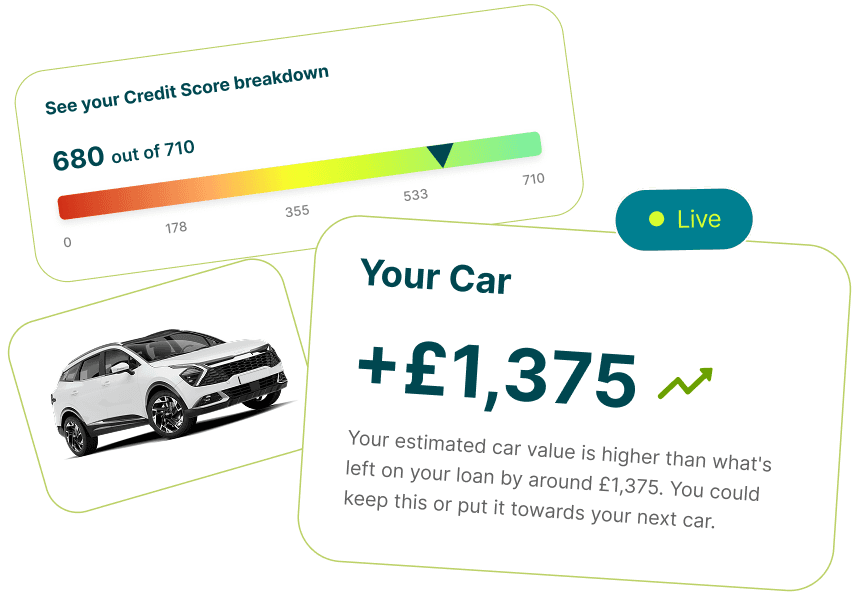
Before you decide, it helps to know where you stand. If your current car is on finance, you will need to know what your car is worth and your settlement figure, the amount needed to clear the agreement. swoppa brings these together into one simple score for free, so you can see whether now is the right time to sell your car or whether waiting a few months makes more sense.
A newer or better-suited car can bring:
- Better reliability, with fewer age-related faults and a healthier battery and charging system
- Modern safety features, such as stability control, automatic emergency braking and better lights
- Lower running costs, through improved fuel economy or lower servicing bills
- More practicality, such as four-wheel drive, higher ground clearance or heated seats and screens
You do not always need to pay for a car upfront. Car finance through swoppa lets you spread the cost over monthly payments, and you can apply without leaving the site. Not sure which to choose? swoppa compares new vs used car finance, and its car search lets you browse around 500,000 vehicles on the UK market. If your credit history is not perfect, check your credit score first and read up on why car finance applications get declined so you know what lenders look for.
Thinking about changing your car before winter? Get your free car valuation with swoppa and see whether now is the right time to swop.