Chinese car brands have gone from a curiosity to the mainstream in about two years. The Jaecoo 7, from the same Chery group behind Omoda, was Britain's best-selling new car in October, and Chinese brands took 23% of all new car registrations in September. New models keep arriving too: an updated Jaecoo 7 plug-in hybrid with up to 79 miles of electric range, and the seven-seat Geely Monjaro, were both announced this week.
The pull is obvious. Whether it's BYD electric cars, Omoda and Jaecoo SUVs or plug-in hybrids, Chinese cars tend to come with lots of kit, long warranties and sharp prices. But this week Autocar asked a question plenty of buyers are already wondering about: should you worry about repairs and parts delays on a Chinese car?
If you're thinking of swapping into a Chinese car, here's what to check before you sign.
1. How quickly can you get parts?
Some newer Chinese car manufacturers have been criticised for slow parts supply, with reports of cars waiting weeks for body panels after minor bumps. The bigger, longer-established brands such as MG and BYD have built up their UK parts networks, but newer arrivals are still catching up.
Ask the dealer: which parts are held in the UK, and how long a typical bodywork repair takes.
2. Can you get insurance at a fair price?
Because of those repair worries, some insurers have quoted higher premiums for certain new Chinese models, or declined to quote at all. Get insurance quotes for the exact model and trim before you commit, not after.
3. Where's your nearest dealer?
With 16 Chinese car brands now on sale in the UK, dealer networks vary a lot. Some are nationwide, while others have only a handful of sites. Check how far you'd need to travel for servicing and warranty work.
4. What does the warranty actually cover?
Seven-year warranties are common, but read the small print. Check the mileage limit, what counts as wear and tear, and whether you must service at a franchised dealer to keep the warranty valid.
5. How will its value hold up?
This is the big one if you're buying on finance. New brands don't have a long track record, so it's harder to predict what a car will be worth in three or four years. Strong discounting on new cars can also push down used prices.
That matters because your car's future value decides your equity when you next want to change. If values fall faster than expected, you could end up owing more than the car is worth. Our guide to how depreciation affects your equity explains why.
6. Does the finance deal stack up?
Chinese brands often use eye-catching monthly payments and low APRs. Look past the monthly figure to the total amount payable, the deposit and any final balloon payment. If you need a refresher, see what APR means and our comparison of dealership finance vs shopping around.
Before you swap: know where you stand
The best deal on a new car won't help much if you're in negative equity on your current one. Get your settlement figure and a realistic valuation of your car first, so you know exactly what you're bringing to the deal.
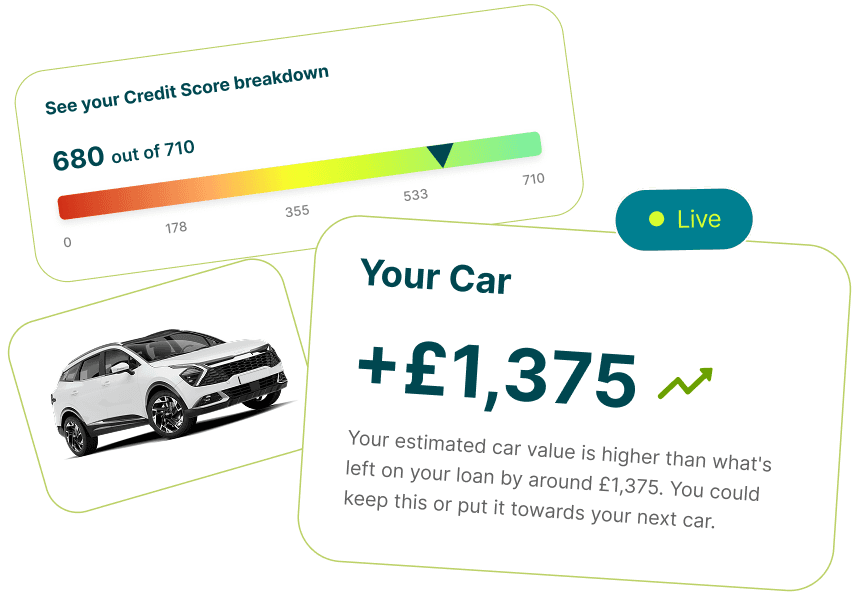
Swoppa brings your car's value, your finance and your credit profile together in one free dashboard, so you can see if now is the right time to change. Check your swoppa score.
Sources