What You Don't Know About the Real Cost of Buying a Car
When you're choosing your next car, the monthly payment is often what grabs your attention first. It's the easiest way to figure out if you can afford it, right? But that monthly figure doesn't give you the whole picture.
The real cost of a car is a combination of several different factors all working together. The price of the car, the interest you pay on the loan, and how fast the car loses value over time - all these things play a role in how much it really costs over the years.
Looking beyond the monthly payment will give you a much clearer idea of whether a new or used car is really the best financial deal.
Why Monthly Payments Can Be a Bit of a Trick
Finance deals are cleverly designed to make the monthly payment look nice and simple. It's an easy number to compare with other cars, but what it doesn't show you is the bigger financial picture.
Paying off your car loan over a longer period, for example, might lower your monthly payment, but it will end up costing you more in interest over time. And if you opt for a long-term finance deal with a big balloon payment at the end, the monthly figure might look lower, but the overall cost is still going to be pretty high.
That means two cars with very different prices can sometimes look pretty similar in terms of their monthly payments. If you don't look at the whole cost over the finance term, you can easily end up underestimating just how much you're really going to spend.
Depreciation: The Big Hidden Cost Most of Us Overlook
Depreciation is the highest cost when you're driving a car.
A new car starts dropping in value the moment it leaves the showroom, and the first few years are when it loses most of its value. By contrast, a used car has already gone through most of that early depreciation.
Let's take an example: imagine buying a new car for £30,000. After three years it's worth around £18,000 - that's a loss of £12,000 in value. That's the biggest chunk of the real cost of owning the car. A three-year-old version of the same car might cost you £18,000, and after another three years it might be worth around £12,000. The depreciation over that period would be closer to £6,000.
Although the two cars might feel similar to own, the financial impact is very different.
The Pros and Cons of Financing a New Car
Financing a new car has its advantages; new cars come with the latest tech, a full manufacturer's warranty, and no history or previous wear and tear. Interest rates on new car finance can be pretty competitive, especially when manufacturers are offering promotions.
However, the higher purchase price and faster early depreciation can really add to the total cost of owning the car; even if the monthly payments look manageable, the car might lose a lot of value during the finance term.
For drivers who really want the newest models and plan to keep the car for a long time, these costs might still be worth it. The key is to understand that a lot of the expense happens in the early years.
Why Used Car Finance Often Works Out Cheaper
Used cars can offer a lot of value because the steep depreciation has already happened.
A lower purchase price means the finance agreement is smaller, even if the interest rate is a bit higher. Over time, that can really reduce the total amount you pay out through finance. Maintenance can sometimes be higher as the car gets older, but the slower rate of depreciation often makes up for that. For a lot of drivers, that's where the financial advantage of used cars really becomes clear.
A Simple Cost Comparison
Looking at a side-by-side comparison can make the difference clearer.
| Cost Factor | New Car | Used Car |
|---|
| Purchase Price | £30,000 | £18,000 |
| Deposit | £3,000 | £2,000 |
| Monthly Payment | £420 | £290 |
| Total Paid over 3 years | £18,250 | £12,440 |
| Estimated Value after 3 years | £18,000 | £12,000 |
| Approximate Depreciation | £12,000 | £6,000 |
The monthly payment difference may look modest at first glance. But once depreciation is taken into account, the total financial impact becomes clearer.
The used car loses far less value over the same period, significantly reducing the overall cost of ownership.
The Factor Most Drivers Overlook
Choosing between a new and used car is only part of the equation. The timing of when you change your car can have just as much impact on the real cost.
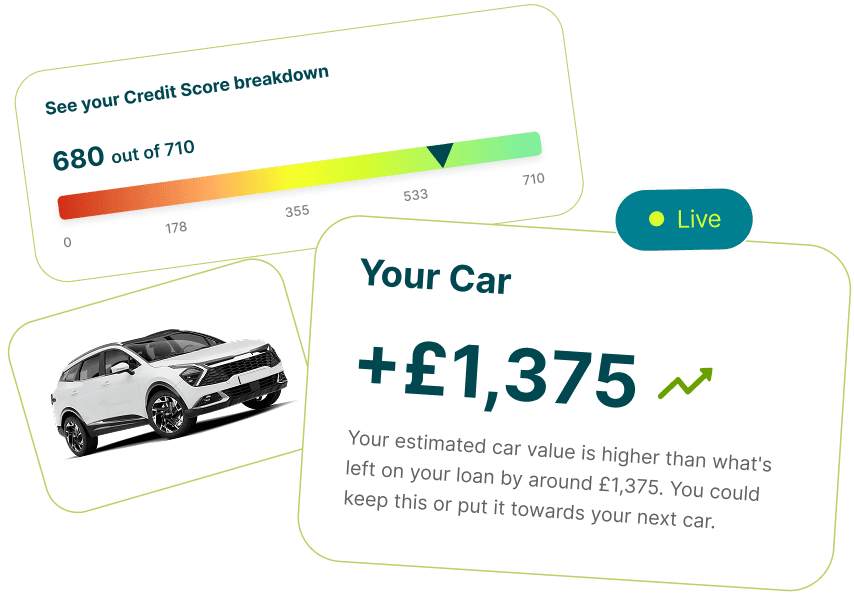
Finance balances fall over time while the car’s value changes. At certain points, the balance and the vehicle’s value move closer together. This can improve your equity position and make switching cars more financially sensible.
Many drivers never see this moment clearly. Without the right information, decisions often happen based on habit, dealer offers, or the feeling that it might be time for a change.
Getting Clarity on Your Car’s Timing
Understanding the relationship between your car’s value, your finance balance, and your equity position can change how you approach your next decision.
When these numbers are clear, it becomes easier to see whether it makes sense to change your car or simply keep driving it longer.
swoppa brings these factors together into one simple score so you can see where you stand and what your timing looks like. Sign up today and understand your position.